



Buying a classic car can be an exciting experience, especially when you discover a vehicle with timeless styling, distinctive engineering, or a fascinating history. However, purchasing a vintage automobile requires a different approach from buying a modern daily driver.
A classic car’s appearance tells only part of its story. Mechanical condition, ownership records, maintenance requirements, and financing arrangements can significantly influence whether a purchase becomes an enjoyable hobby or an expensive disappointment.
Before making an offer, first-time collectors should understand several important factors that are easy to overlook.
Look Beyond the Exterior Condition
A beautiful paint finish does not necessarily indicate that a classic car is mechanically sound. Fresh paint, polished chrome, and an immaculate interior can distract buyers from underlying problems.
Rust is one of the most important concerns when evaluating an older vehicle. Corrosion around structural components, floor pans, suspension mounting points, and body panels can lead to complicated and expensive repairs.
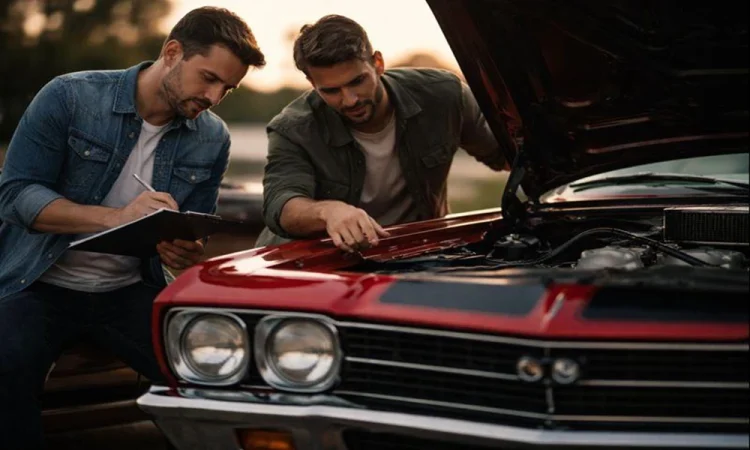
Buyers should also examine the engine, transmission, braking system, suspension, and electrical components. Some mechanical issues are relatively straightforward to repair, while others require specialized knowledge or difficult-to-find replacement parts.
A professional pre-purchase inspection is worth considering, particularly when purchasing an unfamiliar model or an extensively restored vehicle.
Whenever possible, choose an inspector with experience in the specific vehicle’s manufacturer, generation, or mechanical design.
A thorough inspection can help distinguish minor maintenance concerns from problems that could substantially affect the vehicle’s reliability, safety, and overall ownership cost.
Compare Financing Options Before Committing
Financing is another consideration that buyers sometimes leave until the final stages of a classic car purchase.
Unlike ordinary used vehicles, classic automobiles may have values influenced by rarity, condition, originality, documentation, and collector demand. Their age and characteristics can also affect how different lenders evaluate financing applications.
Traditional banks, credit unions, and specialized automotive lenders may apply different eligibility requirements, repayment periods, down payment expectations, and vehicle valuation procedures.
For buyers researching the best bank for classic car loans, it is worth comparing conventional institutions with specialist collector vehicle lenders rather than assuming that every provider offers the same borrowing arrangements.
A lower monthly payment should not be the only deciding factor. Longer repayment terms can reduce immediate expenses while increasing the total interest paid over the life of a loan.
Before accepting financing, buyers should evaluate:
- Annual percentage rate and total borrowing cost.
- Required down payment and available repayment terms.
- Vehicle age, condition, and valuation requirements.
- Prepayment penalties, additional fees, or balloon payments.
- Financing eligibility for private-party and auction purchases.
It is also important to understand the difference between receiving an initial financing estimate and obtaining final loan approval.
Comparing the complete terms helps buyers select an arrangement that suits their financial situation without sacrificing funds needed for maintenance and unexpected repairs.
Verify the Vehicle’s History and Documentation
A classic car’s history can be an important part of its appeal, but buyers should verify the information provided by the seller.
Start by examining the title, vehicle identification number, registration records, and available ownership documentation. Details should be consistent across the vehicle and its paperwork.
For older automobiles, identification systems and documentation practices may differ from those used for modern vehicles. Buyers should understand the requirements applicable to the particular model and its registration jurisdiction.
Maintenance records, restoration invoices, historical photographs, and previous inspection reports can provide additional insight into the vehicle’s condition.
Documentation is especially important when a seller describes a vehicle as having original components, limited production status, or a historically significant configuration.
Claims about originality and authenticity should be supported by appropriate evidence rather than accepted solely on appearance.
If important records are missing or inconsistent, investigate the issue before transferring funds. Resolving documentation concerns in advance can help prevent ownership disputes and registration complications later.
Calculate the Real Cost of Ownership
The purchase price is only the beginning of the financial commitment involved in owning a classic vehicle.
Maintenance expenses can differ considerably depending on the automobile’s age, condition, rarity, and availability of replacement components.
Some vehicles have strong aftermarket parts support, making routine maintenance relatively accessible. Others require custom fabrication, specialist workshops, or components sourced from overseas suppliers.
Insurance also deserves attention. Depending on the vehicle and its intended use, collector car insurance may be worth investigating alongside conventional automotive coverage.
Buyers should review applicable mileage restrictions, storage requirements, agreed-value provisions, and other policy conditions before choosing coverage.
Storage is another frequently overlooked expense. Protecting a classic automobile from moisture, prolonged sun exposure, and unnecessary deterioration may require secure indoor parking or climate-controlled facilities.
A realistic ownership budget should account for regular servicing, potential repairs, registration, insurance, storage, and occasional transportation costs.
Maintaining a separate emergency repair fund can make unexpected mechanical issues easier to manage.
Understand the Risks of Buying at Auction or From a Private Seller
Classic cars are often purchased through auctions, private collectors, online marketplaces, and specialist dealerships. Each buying channel presents different considerations.
At an auction, buyers may have limited time to examine a vehicle before bidding. Additional fees, payment deadlines, and transportation arrangements can also affect the final purchase cost.
Setting a maximum bid before the auction begins can help prevent emotional decisions that exceed the intended budget.
Private-party transactions may offer opportunities to speak directly with someone familiar with the vehicle’s history. However, buyers should still verify ownership, inspect the automobile, and confirm the payment process.
When purchasing from another state, investigate transportation arrangements, registration procedures, and applicable taxes or fees before completing the transaction.
Regardless of the seller, avoid treating verbal assurances as substitutes for written documentation and independent verification.
Conclusion
Buying a classic car involves more than choosing an attractive model or negotiating an appealing price. The most satisfying purchases usually begin with careful research, realistic budgeting, and a clear understanding of the vehicle’s condition.
First-time buyers can reduce avoidable risks by arranging appropriate inspections, checking documentation, comparing financing terms, and accounting for ongoing ownership expenses.
Taking these precautions before making an offer helps turn a classic car purchase into a more informed decision, allowing owners to concentrate on enjoying and preserving their vehicles.