


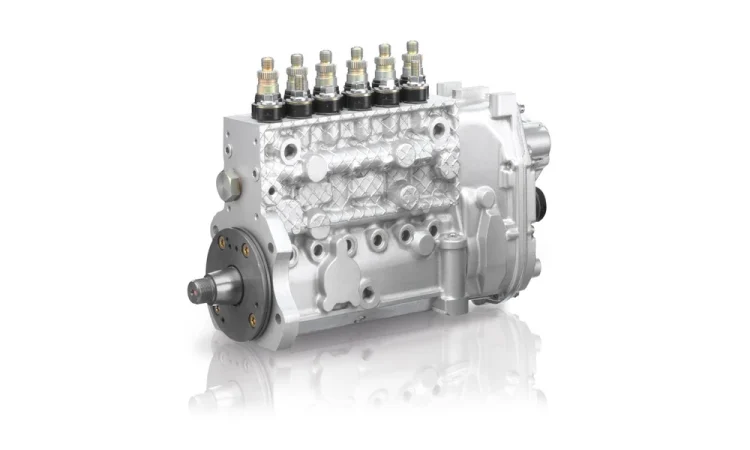

A diesel injection pump is a critical component that plays an important role in supplying fuel to the engine at the right pressure and at the right time for combustion. When a pump has a problem, the consequences can be felt throughout the engine. If trouble is present in the fuel system, it can manifest itself in a variety of ways, such as poor engine performance, rough running, excessive fuel consumption, and weak starts. Knowing what to look for can help operators identify problems early on before they turn into a major repair.
Because these high-pressure mechanical components operate under immense stress and fine tolerances, recognizing early diesel injection pump problems is essential for preventing secondary engine damage and maintaining consistent combustion performance.
Contaminated Fuel
The diesel fuel can contain dirt, water or other contaminants if it is improperly stored or handled. Those particles are able to enter the sensitive injection parts and lead to wearing.
One of the most problematic substances is water, which may lead to corrosion and affect the lubricating properties of fuel for some parts. Properly maintaining the fuel system, and changing fuel filters at the recommended time, can help prevent damage to the fuel pump.
Worn Internal Components
Injection pumps work under extreme conditions and will wear out normally with time. The internal components may no longer be able to hold the pressure and supply the correct amount of fuel needed by the engine. Over use may make this engine difficult to start or provide less power. Fuel usage may also vary. When diagnosing this type of problem, the age and history of operation of equipment can be useful clues.
Incorrect Injection Timing
Fuel must be delivered to the engine at the proper time. Combustion may not be as efficient if the timing of the injection is incorrect.
A rough running engine, loss of power, abnormal exhaust smoke or increased starting difficulty can all be indicators of timing issues. There are several reasons for timing problems; therefore it is important to investigate the entire injection system before making adjustments.
Air in the Fuel System
If all is well, there should not be air moving through the fuel system. Sometimes the fuel system can allow air into the system through leaking fuel lines, loose connections, empty fuel tanks, or fuel system maintenance.
Steady fuel delivery and easy starting may be interrupted by air pockets and cause engine hesitation or irregular operation. Identification and rectification of the source of the air is vital.
Clogged filters, restricted fuel flow.
A dirty fuel filter may limit the flow of fuel to the injection pump. When the engine requires more gas, it may now have difficulty, especially when loaded.
Filters are comparatively simple components, however, they have an important protective function. Replacing them at the recommended intervals will help keep contaminants away from the pump and assure a proper fuel flow.
Electrical and Control Problems
The modern diesel engine can have electronics controlling fuel delivery. Sometimes symptoms may occur from a sensor, wiring, actuator or control module issue and not the injection pump.
That’s why it’s important to have the correct diagnostic testing. A costly pump replacement will not solve a problem resulting from a faulty sensor/electrical connection.