You do not want to risk someone gutting around the oversized equipment. One of the most critical decisions you’ll make is who you will choose to support you in your freight needs, whether it’s the transport of construction machinery, agricultural equipment, mining vehicles, or large industrial parts.
Many businesses also benefit from reviewing a Freight Partner Oversized Equipment Guide before comparing transport providers, as it highlights the key qualities to look for beyond competitive pricing. From verifying specialised equipment and experienced drivers to understanding permit management and insurance coverage, having a clear checklist makes it easier to identify a freight partner capable of handling oversized shipments safely and efficiently. Taking the time to evaluate these factors early can help prevent costly delays, reduce transport risks, and ensure your valuable equipment reaches its destination in excellent condition.
experience in the field of work.
Over-sized freight requires specialised knowledge that is beyond the standard shipping knowledge. Each load is unique in terms of size, weight, and shipping needs. A company that loads oversized regularly knows how to load and secure the cargo, the permits that are required, and how to plan routes for these loads. Inquire with prospective freight partners about other projects they have performed. Their experience may be a cushion of confidence that they are ready to send your shipment safely and securely.
Verify that the correct equipment is used
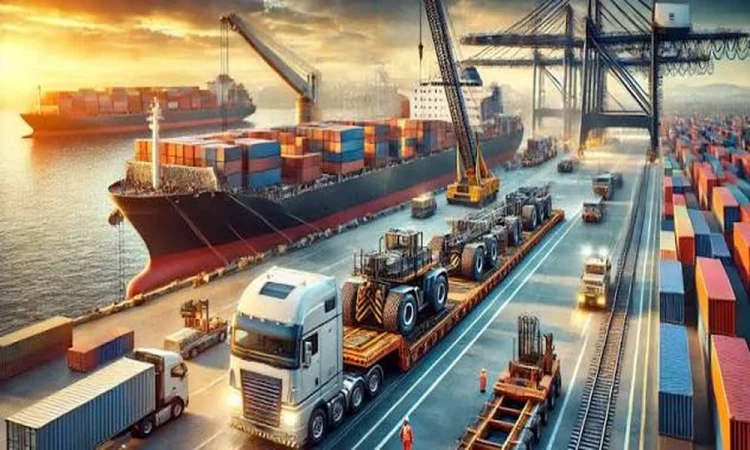
One might say more so than the right driver. Depending on the size and weight of your equipment, you may need a lowboy, step-deck, extendable or other speciality trailer for transportation. A good freight company should be able to get access to suitable, well-maintained equipment that is suitable for your load. The proper trailer will give a more stable and safer load for transportation.
Ask How They Handle Permits and Route Planning
Oversized trucks or cargo frequently need permits to drive on regular streetways. Some routes may also have conditions such as bridge clearance, road width and weight limits. It’s important to hire an experienced freight partner to secure the necessary permits and plan the best route, as well as liaise with local authorities if needed. This preparation reduces any “unnecessary” delays in transit.
Review Insurance Coverage
Despite good preparation and planning, problems can arise while travelling. That’s why it is essential to have a freight carrier with complete cargo plus liability insurance. Even before you book, inquire about their insurance coverage and ensure that it is in line with the value of your equipment. The appropriate protection provides extra peace of mind during the travelling period.
Focus on Communication.
Communication is important and can go a long way when transporting high-value equipment. A reliable freight partner should ensure that you know the pickup time, the progress of the load and the expected delivery dates. Businesses that update frequently enable you to make better plans and be alert and prepared when weather, traffic or other factors make the schedule different.
Avoid using price as the only factor
While the price of the lowest bid might appear to be an excellent way to save money, it is not always the best option in the end. Discounts can be at the expense of reduced service, used-up equipment, or reduced customer support. Instead, make a comparison with what each company is offering in the price tags. There may be better service, insurance, drivers and more dependable delivery for a slightly higher investment.
Do a search for feedback and reviews.
It can be insightful to know how a freight company works from the customers’ perspective through customer reviews. Search for reliability, professionalism, equipment condition, communication and on-time deliveries. Favourable and successful reviews over a period of time show a good reputation for reliability. Ask companies that have shipped comparable equipment for references, if available.